No fewer than 115 people have been killed and 500 arrested in the South-East region of the country by Nigerian security agents in four months.
Also, both the military and police have jointly tortured innocent civilians and subjected them to crueltreatment in their numerous raids.
Among those who became victims of ruthless attacks of the security operatives were the volunteers of the Eastern Security Network (ESN), a militia arm of the Indigenous People of Biafra (IPOB).
These revelations were made by Amnesty International in a Press Release obtainable to SaharaReporters on Wednesday.
“Amnesty International documented at least 115 persons killed by security forces between January and June 2021. Many relatives of the victims told Amnesty International that they were not part of the militants that were attacking security agents.
“Many of the victims were deposited at government hospitals in Imo and Abia states. According to several hospital sources all the victims deposited by the police had bullet injuries.
“Nigerian security forces have committed a catalogue ofhuman rights violations and crimes under international law in their response tospiralling violence in southeast Nigeria, carrying out a repressive campaign since January which has included sweeping mass arrests, excessive and unlawful force, and torture and other ill-treatment,” said Amnesty International in the statement.
Most of the alleged atrocities unleashed by the nation’s main security agents were carried out in Imo, Anambra and Abia states.
“The evidence gathered by Amnesty International paints a damning picture of ruthless excessive force by Nigerian security forces in Imo, Anambra and Abia states,” said Osai Ojigho, Country Director at Amnesty International.
According to the statement, the security agents haunted South-East residents who they believed were part of the ESN that have killed their men and attacked government infrastructural facilities.
The non-governmental human rights organisation also stated that media firms and eyewitnesses documented some of these inhumane activities of the army and police against armless civilians.
“Nigeria’s government has responded with a heavy hand tokillings and violence widely attributed to the armed group calling itself Eastern Security Network (ESN), the armed wing of the Indigenous People ofBiafra (IPOB), a pro-Biafra movement.
“According to government officials, the ESN killed dozens of security operatives and attacked at least ten public buildings, includingprisons, police stations, and other public buildings from January to June. In response, security forces comprising military, police, and Department of State Services (DSS) have killed dozens of gunmen, as well as civilians where attacks have been committed.
“Eyewitnesses told Amnesty International that the security forces have engaged in excessive use of force, physical abuse, secret detentions, extortion, burning of houses, theft, and extrajudicial executions of suspects.
“Human rights groups estimated that the death toll ofviolence between January and June 2021 in Anambra, Imo, Abia, and Ebonyi statesmight run into the hundreds. The police said ESN fighters killed 21 of its personnelin Imo state alone.
“Amnesty International carried out an extensive investigation to document the human rights violations and crimes under international law in Anambra, Imo, Ebonyi and Abia states from January 2021.
“The organisation documented 52 incidents of unlawful killings and 62 cases of arbitrary arrest, ill-treatment and torture. Media reports, video and audio recordings reviewed show that the Nigerian security forces also employed excessive force and other unlawful means to address the rising violence,” the statement continued.
While establishing some of the horrible occurrences, the Amnesty International buttressed its points with the incident of a German-based Uguchi Unachukwu killed by soldiers at Sam Mbakwe Airport in Owerri at the last day of May. It also spoke about another man, Matthew Opara shot dead by soldiers near Owerri on May 25.
“Uguchi Unachukwu, a German-based businessman was killed by soldiers on 31 May at a checkpoint near Owerri airport on his way out of the country. The police are yet to investigate the crime.
“Mathew Opara, a 45-year-old businessman, was shot by soldiers on 25 May 2021 in Orji, near Owerri. Witnesses told Amnesty International that he was returning from work when he ran into a team of soldiers in an armoured vehicle and Hilux vans shooting at residents.
“He was shot in the chest and could not receive immediate medical help because of the violence. His family said the military acknowledged the killing but did not launch an investigation or offer any apology,” Amnesty International added.
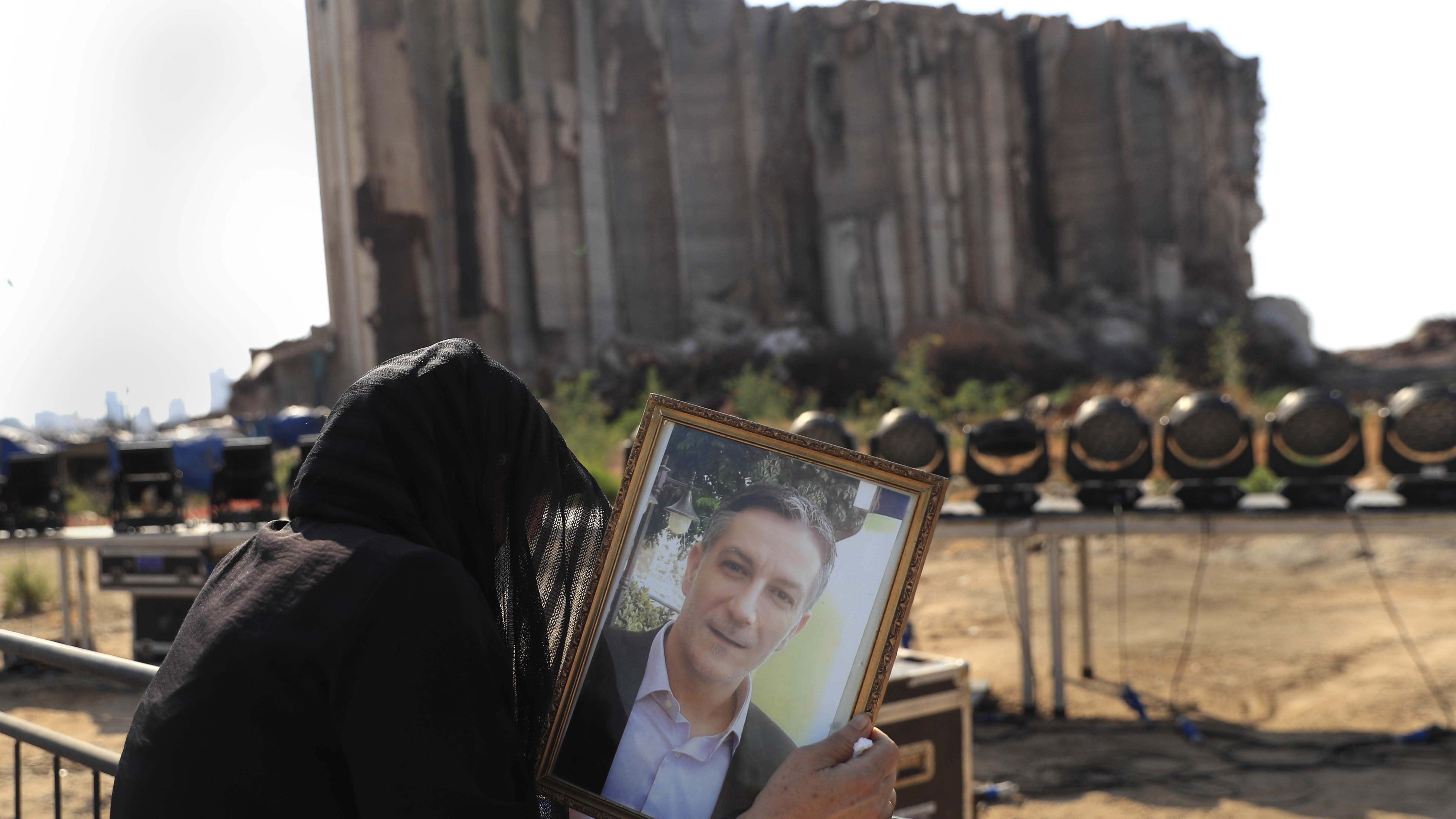
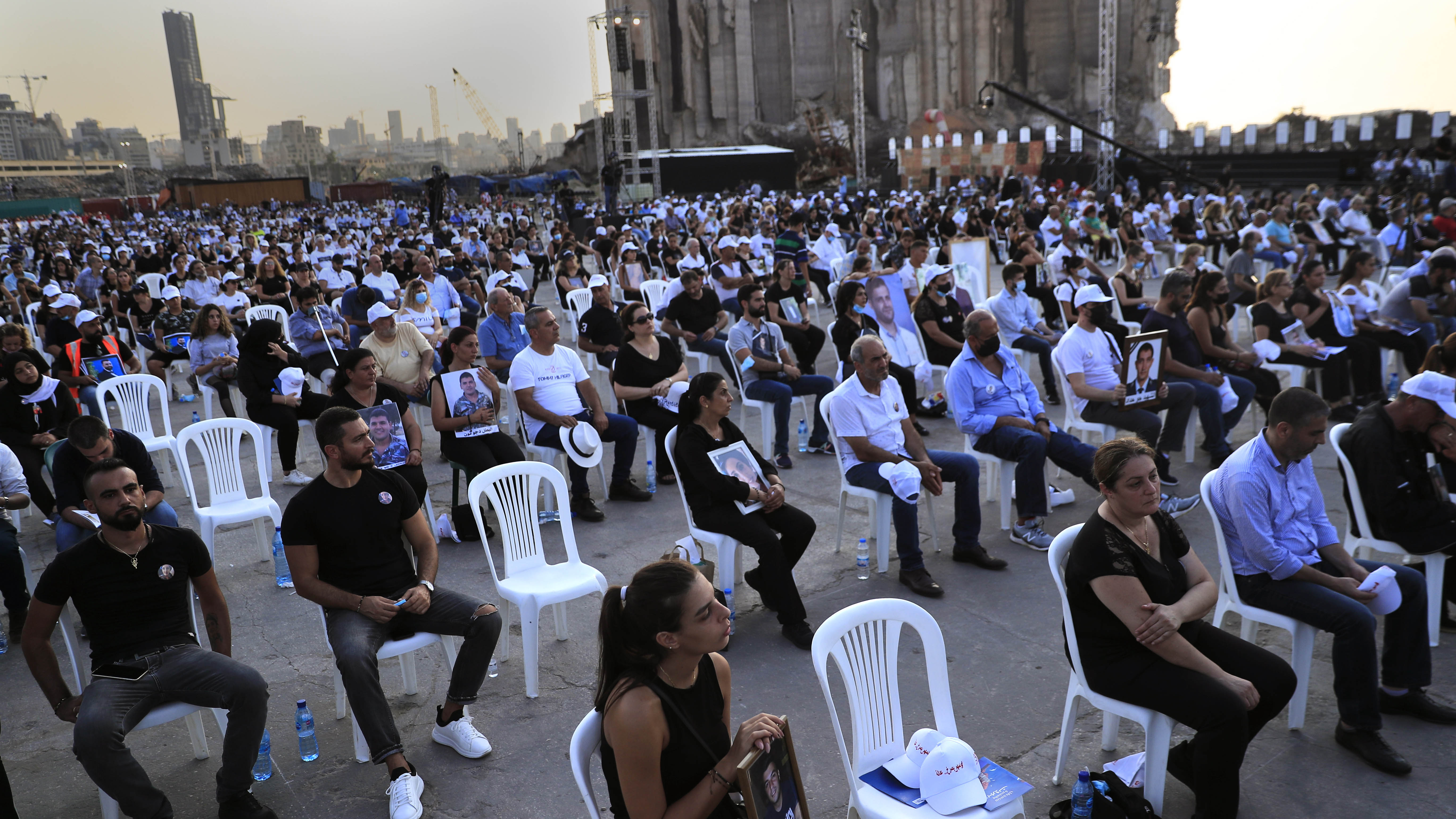
United in grief and anger, families of the victims and several thousand Lebanese have marked one year since the horrific explosion at Beirut's port with a moment of silence and prayers at the foot of the silos that was shredded by the blast on that fateful day.
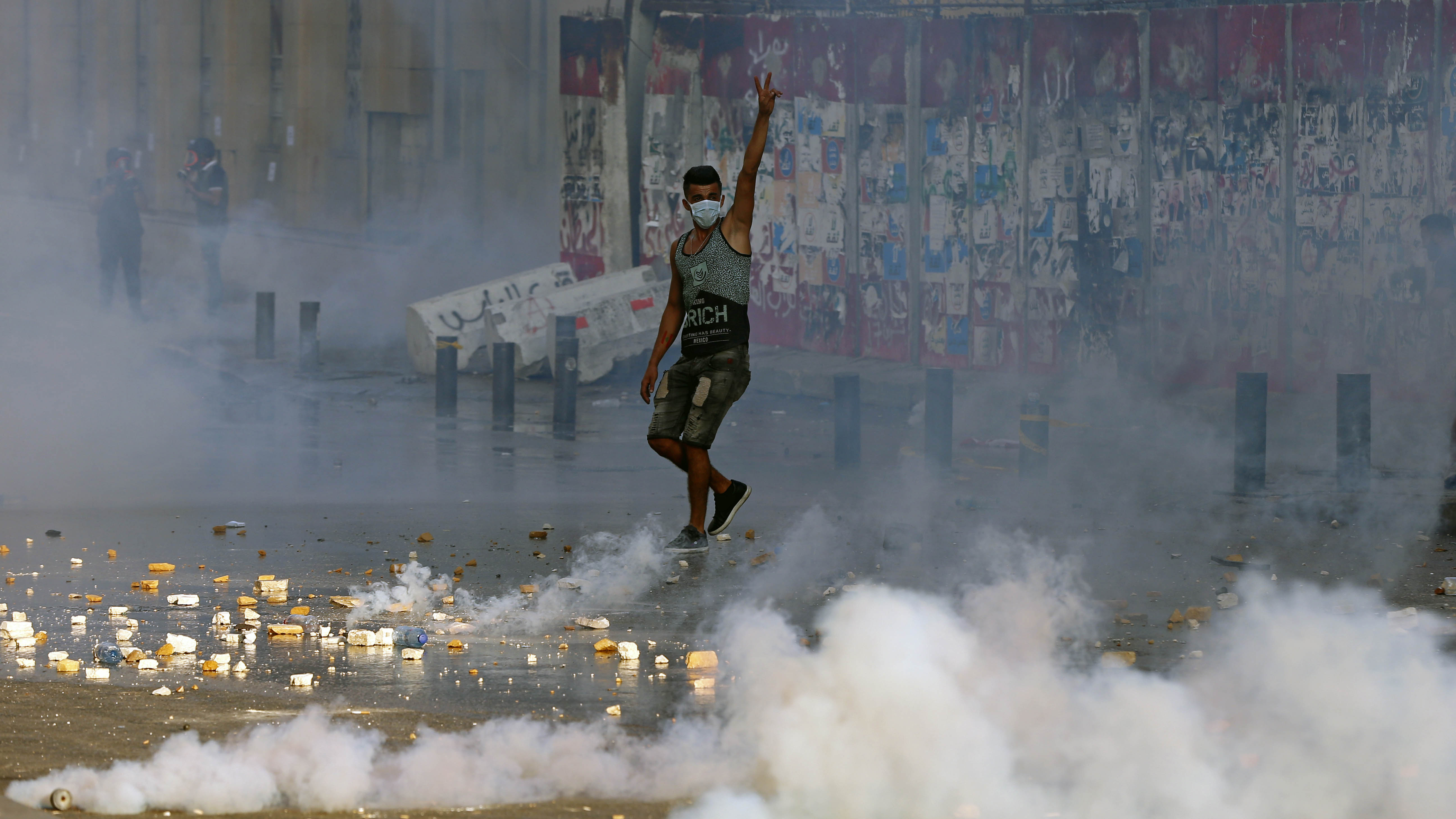
A few blocks away, groups of protesters hurled stones and Molotov cocktails and clashed with security forces near Parliament, which they accuse of blocking the investigation into the port blast by refusing to lift immunity of senior politicians implicated in negligence that led to the explosion.
Police responded with water cannons and volleys of tear gas.
The grim anniversary came amid an unprecedented economic and financial meltdown, and a political stalemate that has kept the country without a functioning government for a full year.
“We have to call for justice and we have to stand together, all of us together as one people, next to the families, to really ask for truth and justice," said Nada Hjeily whose close friend died in the blast.
The explosion killed at least 214 people, according to official records, injured and maimed thousands and devastated entire neighbourhoods of the Lebanese capital.
It was one of the largest non-nuclear explosions in history — the result of hundreds of tons of ammonium nitrate igniting after a fire broke out.
The explosion tore through the city with such force, it caused a tremor across the entire country that was heard and felt as far away as the Mediterranean island of Cyprus, more than 200 kilometres away.
It soon emerged in documents that the highly combustible nitrates had been haphazardly stored at a port warehouse alongside other flammable material since 2014, and that multiple high-level officials over the years knew of its presence and did nothing.
A year later, there has been no accountability, and the investigation has yet to answer questions such as who ordered the shipment of the chemicals and why officials ignored repeated internal warnings of their danger.
Several thousand people gathered at various locations in Beirut on Wednesday, chanting slogans against the country's political class widely blamed for the port disaster and years of corruption and mismanagement that plunged Lebanon into bankruptcy.
They all marched toward the port.
“This is too big of a crime for it to be swept under the carpet,” said Sara Jaafar, an architect whose house opposite the port was totally destroyed, as she marched toward the rally there.
“It’s important for foreign countries to know we are against this murderous ruling class," Ms Jaafar added.
A year on, she has not been able to go back to her home, which like so many remains in ruins.
Protesters converged on the highway that snakes around the port, covering the streets with a sea of Lebanese flag and walking up and down the bridges over the motorway.
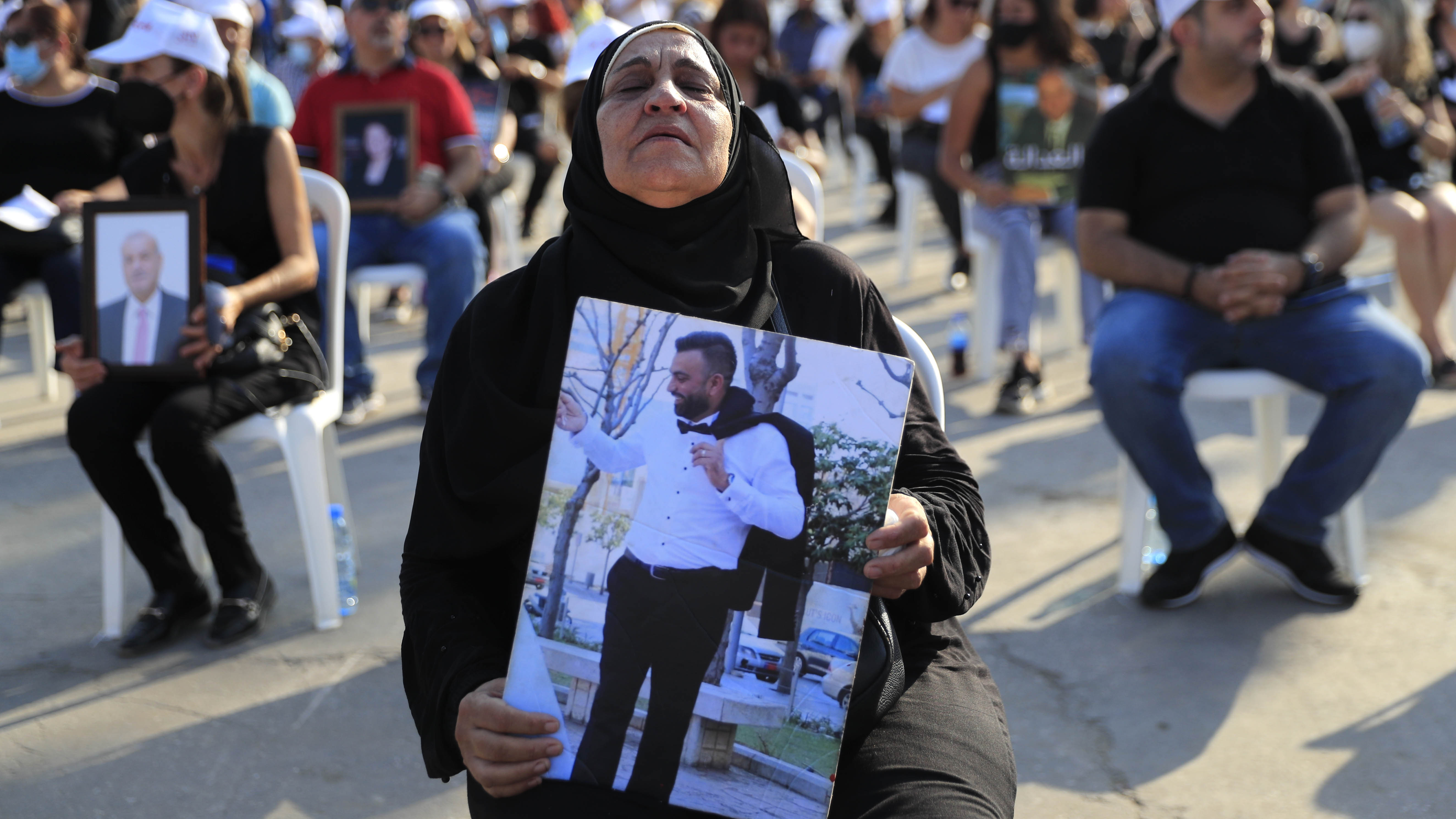
Families of the victims walked down the road parallel to the explosion site, carrying posters with photographs of their loved ones.
The crowds lined up on both sides broke out in applause, in a show of support and respect.
They then held a memorial and prayers inside the port, which still holds the ruins of the giant silos.
Names of each of the killed were read out.
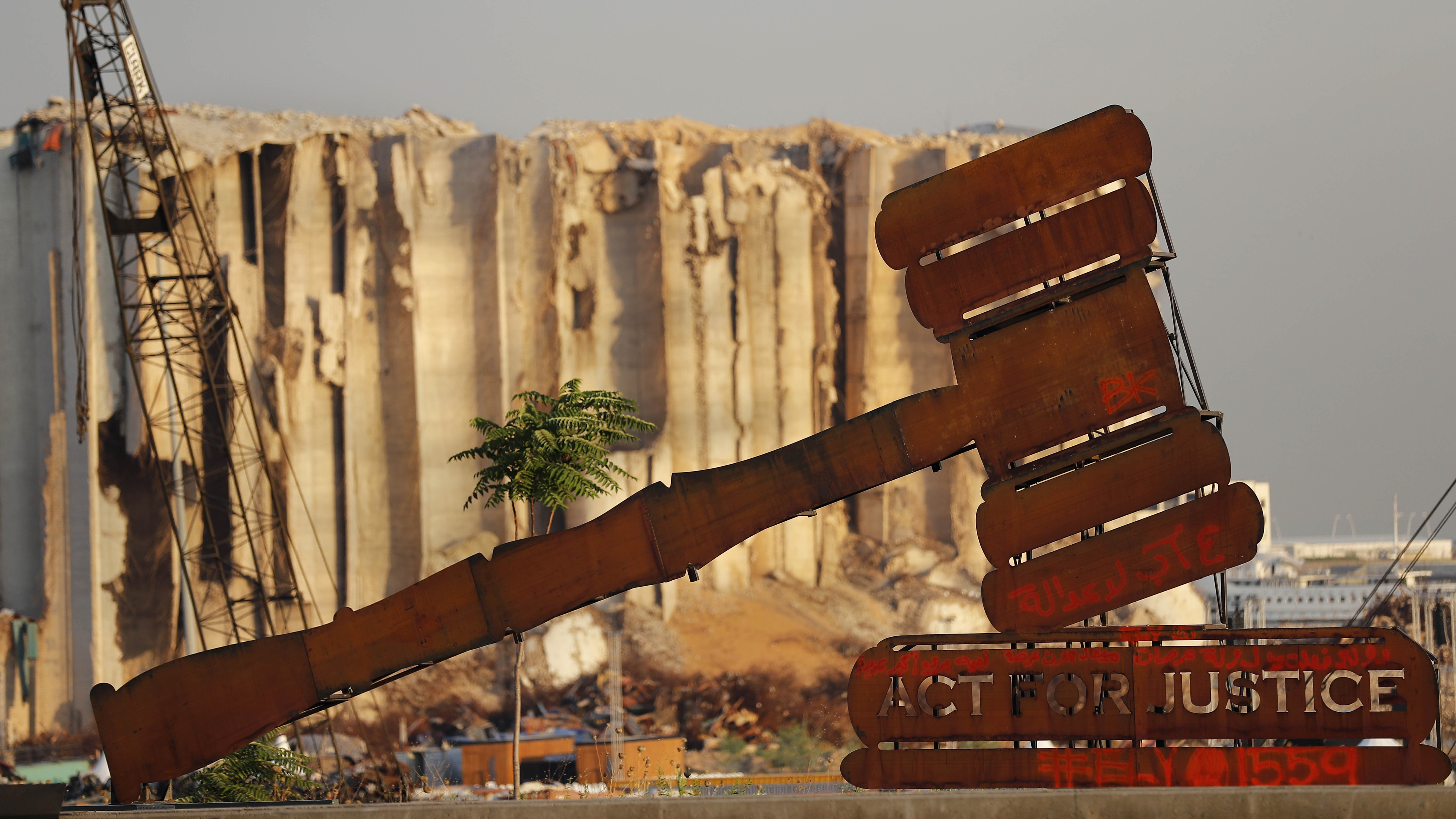
A huge metal gavel with the words “Act for Justice” was placed on a wall opposite the port.
“We are all victims of this system,” Paul Naggear, father of three-year-old Alexandra, who perished in the blast, said.
He spoke on a podium outside the port, his wife Tracy standing next to him.
Flags flew at half-staff over government institutions and embassies, and even medical labs and COVID-19 vaccination centres were closed to mark the day, which had been declared a national day of mourning.
Reflecting the raw anger at the country's ruling class, posters assailing authorities were hung on the facades of defaced buildings across from the port.
“Here starts your end and our beginning,” read one poster that took up the space of five floors of a high-rise.
“Hostages of a murderous state,” read another.
“This is a day of pain and grief. It is the day we lost our loved ones and relatives and children.
"We hope all those coming down (to the streets) in solidarity with us to respect our pain,” Ibrahim Hoteit, who lost his brother in the blast and is now a spokesman for the families fighting for accountability, said.
The blast, coupled with the devastating economic crisis, political stalemate and rising poverty, have posed the gravest threat to the small country's stability since its 1975-90 civil war.
In a statement today, the Lebanese army said it arrested a number of people who were on their way to take part in anniversary commemorations, saying they had a large number of weapons and ammunition in their possession.
In Beirut’s eastern neighbourhood of Gemayzeh, a fist fight broke out between supporters of the Lebanese Communist Party and others who support the right-wing Christian Lebanese Forces.
Several people were lightly injured in the stone-throwing, before security forces opened fire, shooting into the air and dispersed the two sides.
Later, protesters marched toward the parliament building and began throwing stones from behind a giant metal barrier, setting off clashes with security forces, which fired volleys of tear gas and water cannons to disperse the crowd.
In an extensive investigative report, Human Rights Watch on Tuesday called for an international probe into the port blast, accusing Lebanese authorities of trying to thwart the investigation.
HRW said a lack of judicial independence, constitution-imposed immunity for high-level officials and a range of procedural and systemic flaws in the domestic investigation rendered it “incapable of credibly delivering justice.”
The explosion — which destroyed and damaged thousands of homes and businesses — and the lack of accountability have added to the deep political and sectarian divisions, tensions and anguish in a country reeling from multiple crises, including an economic unravelling so severe it has been described by the World Bank as one of the worst in the last 150 years.
The crisis has led to a dramatic currency crash and hyperinflation, plunging more than half of the country’s population below the poverty line.
The international community has refused to help Lebanon financially before wide reforms are implemented to fight widespread corruption and mismanagement.
Meanwhile, an international conference co-hosted by France and the United Nations on Wednesday raised $370 million in aid for Lebanon's growing humanitarian needs, including $118.6 million pledged by France, the former colonial power in Lebanon.
The money is intended for the people of Lebanon, bypassing the government.
At the Vatican, Pope Francis recalled the suffering of the Lebanese people, as he held his first weekly audience with the public since surgery a month ago.
“A year after the terrible explosion in the port of Beirut, Lebanon’s capital, that caused death and destruction, my thoughts go to that dear country, above all to the victims, to their families,’’ the pontiff said.
“And so many lost the illusion of living,’’ he added.
One Friday night in the late 1970s, a young Sydney couple had dinner with family - not knowing it would be the last time they would ever see them.
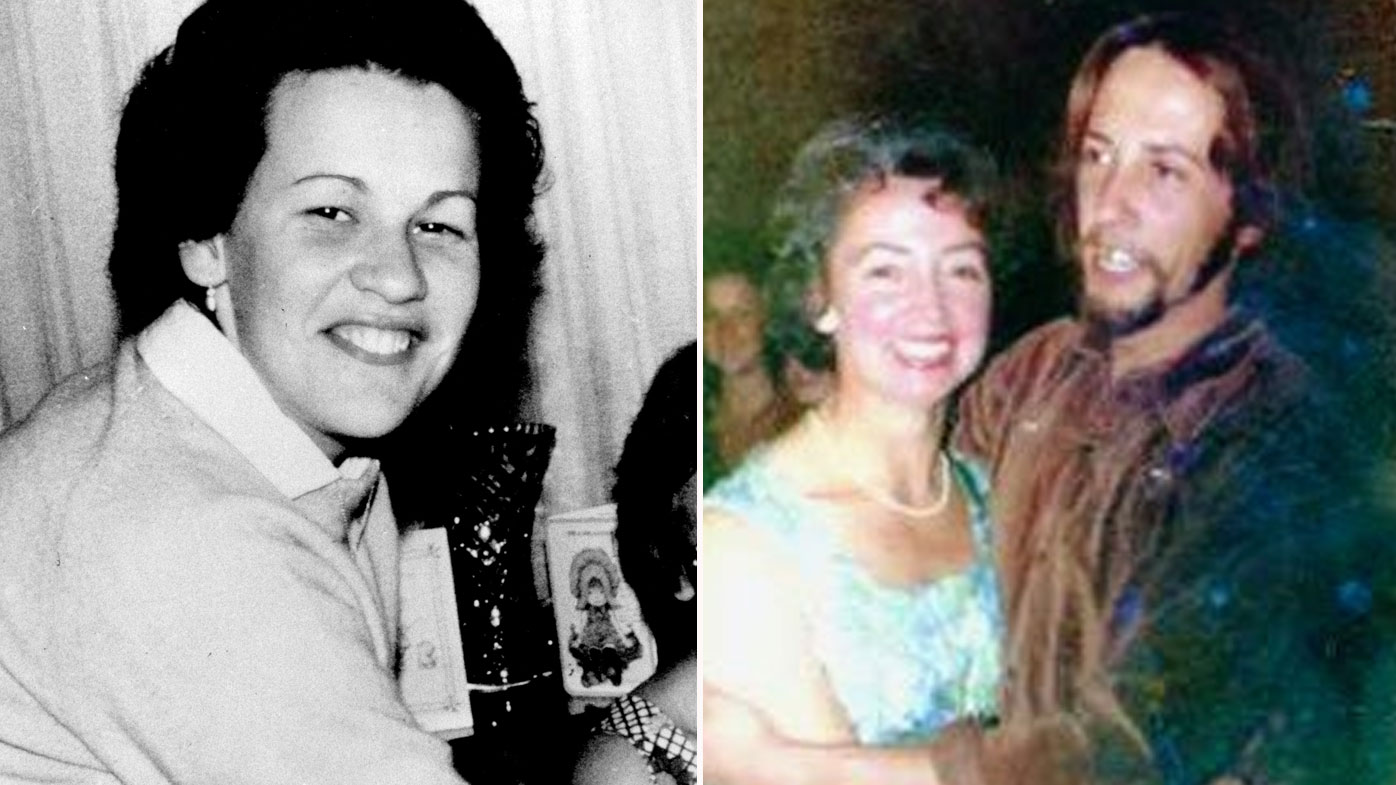
Stephen Lapthorne, 21, and his 18-year-old girlfriend Michelle Pope shared a meal with Stephen's family at their house in West Pymble.
The plan was for Stephen to drop Michelle off at her parents' place in Berowra - about a 20-minute drive away - before he headed off on a snow trip with his mates.
They jumped into his lime green 1977 Bedford CF van and hit the road.
But Michelle never made it home, and Stephen didn't get to the snow. After August 25, 1978, they were never seen again.
In 2005 an inquest found the pair died, but how or when remains a mystery to this day.
In January of this year, the case was referred to the State Crime Command's Homicide Squad, and a formal review was conducted.
A re-investigation was launched which involved a two-day search in the Ku-Ring-Gai National Park in June for vehicle parts after a tip-off.
These parts were found but were not linked to the couple.
Today, NSW Police has announced the reward for information about the couple has been upgraded from $100,000 to $1 million.
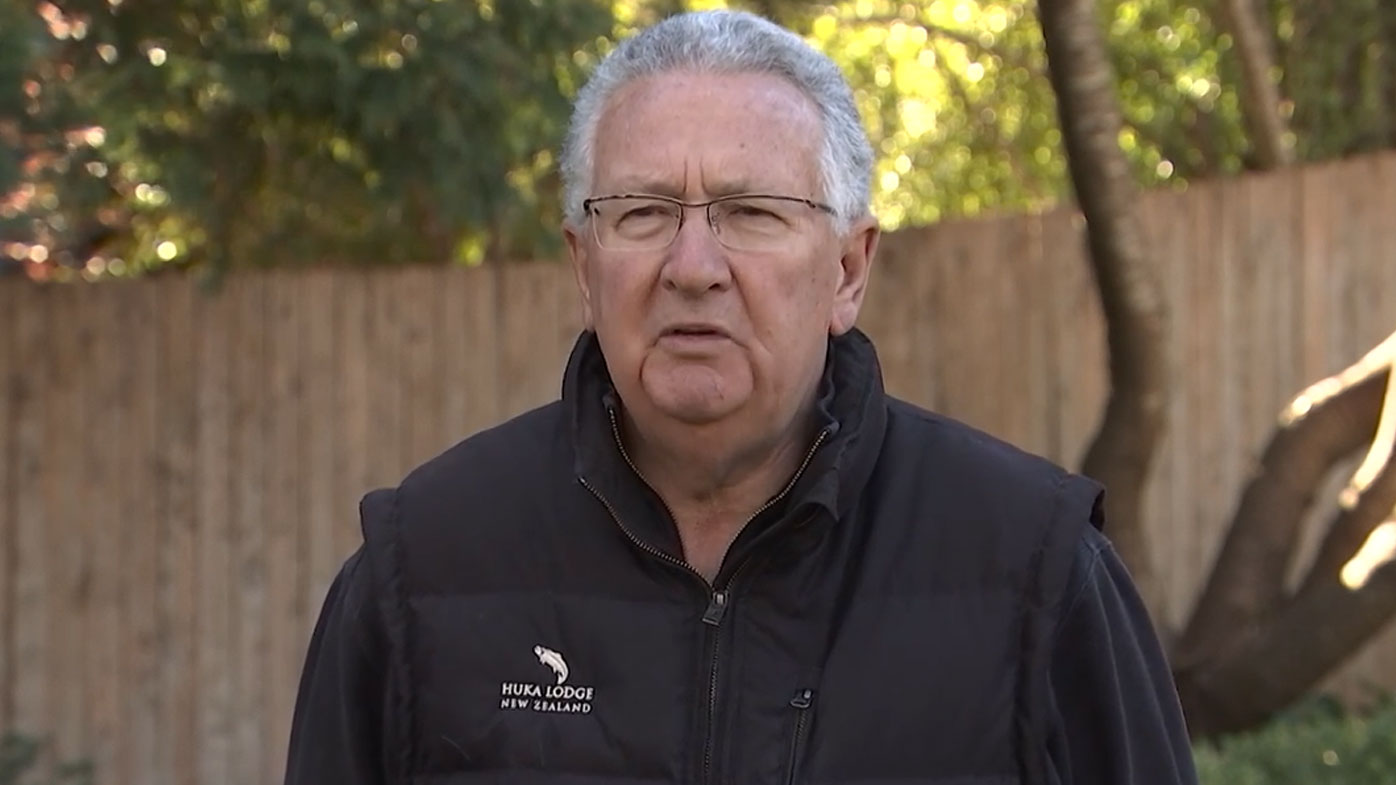
Michelle's brother Jeff Pope said his sister was "full of life" and had "lots of plans for her future" when she disappeared.
This tragedy was particularly difficult for their mum.
"Unfortunately, our mother, Veronica, passed away without ever knowing what happened to her beloved daughter Michelle," Mr Pope said.
"Not a day goes by where we don't think about Michelle and the life she could have led.
"We hope this reward will encourage someone to come forward with information – no matter how small. It's possible that it could help detectives and finally allow Michelle to rest in peace."
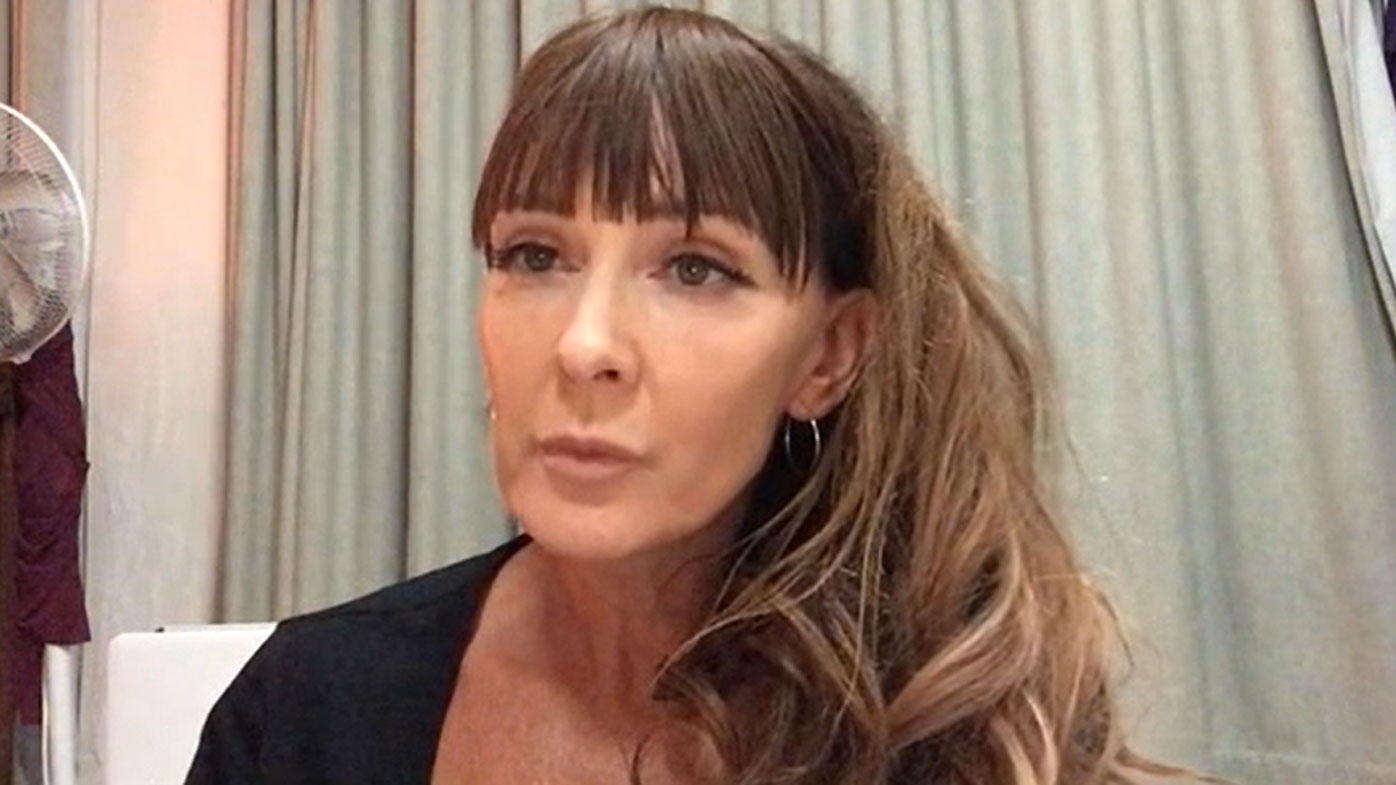
Stephen's sister Kerrie Coy said the family was not able to fully grieve their loss because their bodies had never been found.
"Forty-three years is almost a lifetime for some, and during that time many of our combined family members have grown old and parents have passed not knowing what happened to their son and daughter," she said.
"We are hoping there is someone out there that may be able to help police with their investigations, so we may finally have some answers about what happened that Friday afternoon."
Minister for Police and Emergency Services David Elliott said the NSW Police Force is determined to find answers for the couples' families despite the passage of time.
"Michelle and Stephen disappeared when their adult lives were just beginning, their families have missed out on seeing them grow and mature and have children – everything most of us take for granted.
"I am pleased that the NSW Government is doing what we can to support the Homicide Squad investigation by offering $1 million as an incentive to anyone with information to come forward and speak with detectives," Mr Elliott said.
At the time of his disappearance, Stephen was described as being of Caucasian appearance, about 175-180cm tall, with light brown shoulder-length hair and a moustache, blue eyes and of a medium build.
He was last seen wearing a yellow and white-coloured chequered shirt, cream-coloured trousers and brown shoes.
At the time of her disappearance, Michelle was described as being of Caucasian appearance, about 175-180cm tall, with brown hair, blue eyes and of a medium build.
She was last seen wearing a bone-coloured dress and red sandals.
Countries across Asia are grappling with their worst coronavirus outbreaks of the pandemic, spurred by low vaccine rates and the highly contagious Delta variant.
While nations such as China, Japan and South Korea are seeing growing outbreaks, the sharp edge of the Delta wave is being keenly felt in Southeast Asia, with countries seeing rapid rises in case numbers and deaths.
Southeast Asian nations that managed to contain outbreaks last year are now struggling with overwhelmed health services, a lack of hospital beds, equipment, and oxygen.
They have also reimposed lockdowns, shuttering factories in crucial manufacturing hubs and restricting the movement of citizens already suffering financially.
Frustration among citizens forced to endure yet more curbs on their freedoms and ability to work are reaching boiling point, and protests against their governments' handling of the outbreaks have broken out in Malaysia and Thailand.
Meanwhile, Myanmar is on the verge of collapse as a February military coup and ensuing bloody crackdown has shattered the health system and vaccinations have completely stalled.
While wealthier countries, like the United Kingdom and Singapore, are seeing renewed outbreaks, they have fully vaccinated more than half of their populations.
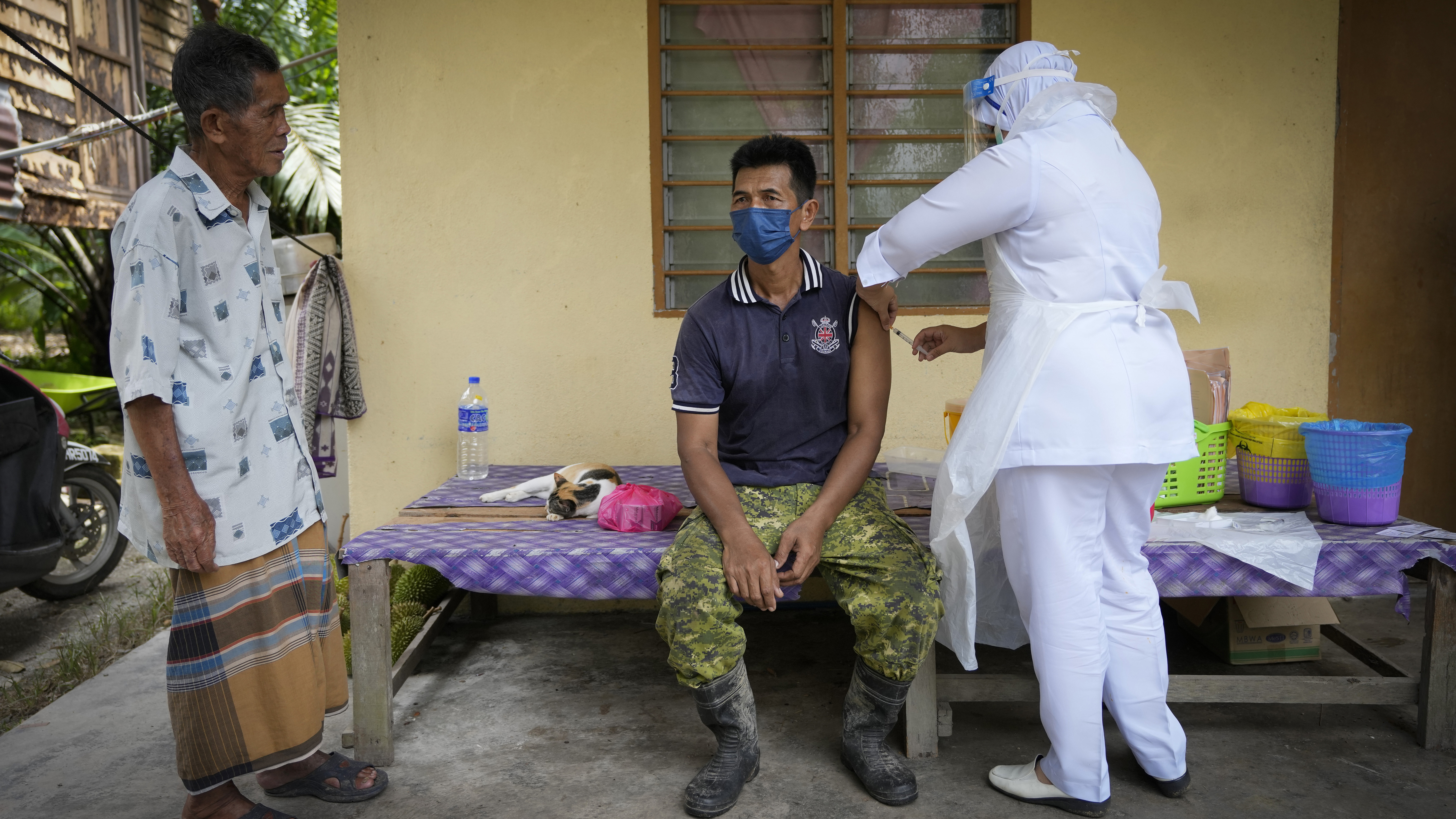
Comparatively, Vietnam has fully vaccinated less than 1 per cent of its population, Thailand around 5 per cent, the Philippines 7.2 per cent, and virus epicentre Indonesia 7.6 per cent, according to Our World in Data.
More than a year and a half into the pandemic, the more contagious Delta variant is exposing the weaknesses of nations with low vaccine rates, even if they previously had control of the virus.
Vietnam
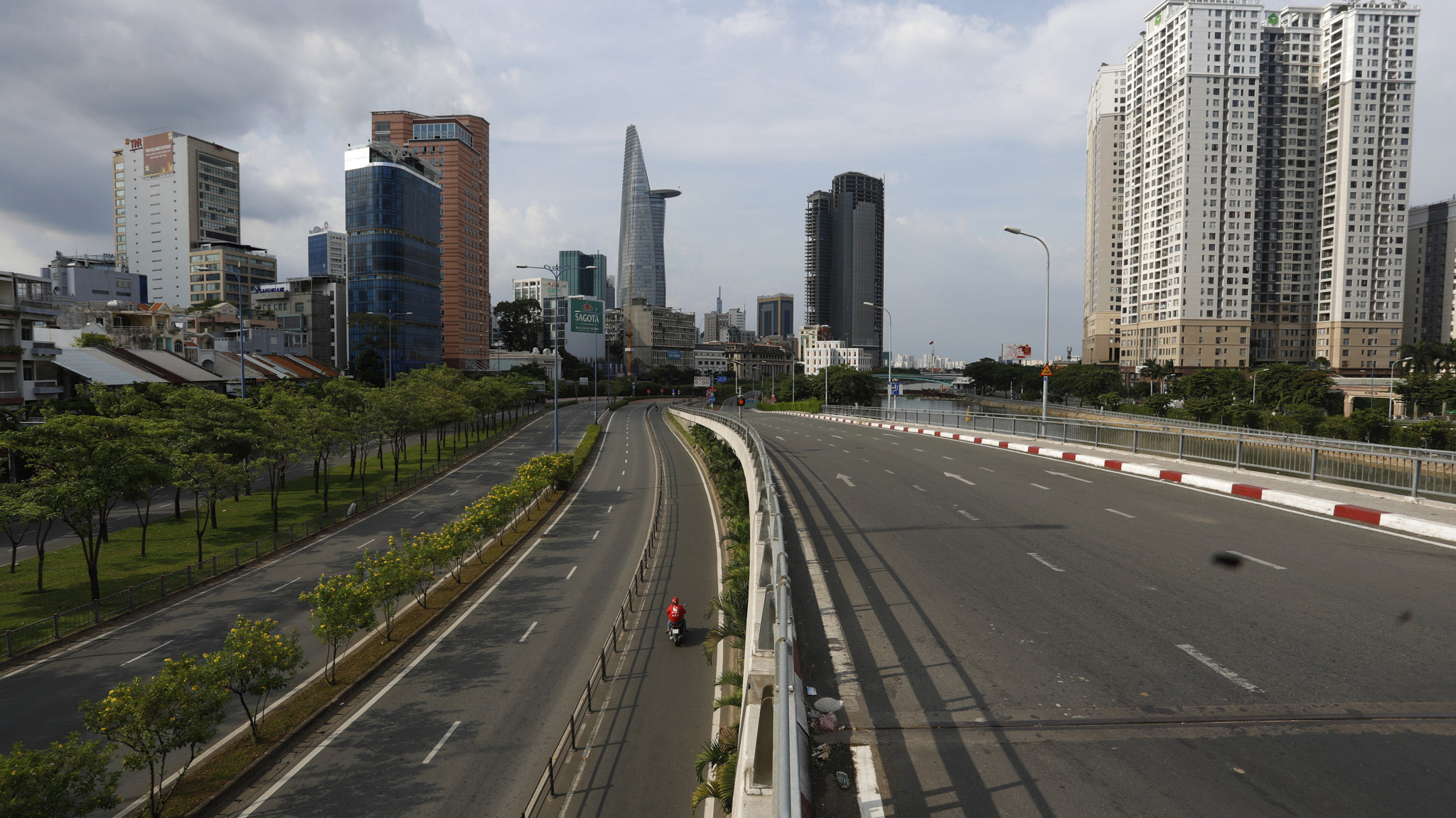
Perhaps nowhere in Southeast Asia is that flip more evident than in Vietnam.
Last year, the country was held up as a leading example in containing the virus thanks to an aggressive strategy of early screening of passengers at airports and a strict quarantine and monitoring program.
For the past year and a half, residents have been able to live a relatively normal life and the economy actually grew by 2.9 per cent in 2020, according to the World Bank.
But since late April, Vietnam has reported a sharp increase in Covid-19 infections.
Yesterday, Vietnam reported 7623 new cases, down from 8620 on Sunday with most new infections in Ho Chi Minh City, the health ministry said.
In total, Vietnam has confirmed 177,813 cases, more than 85 per cent of those were reported in the past month alone, according to data from Johns Hopkins University.
Of Vietnam's 2327 deaths, about half were reported in the past month.
The government has imposed strict lockdowns in the capital, Hanoi, and Ho Chi Minh City to try and curb further spread and COVID-19 treatment centres have been set up to accommodate more patients.
But the outbreak has put pressure on the government to increase its vaccine supply and ramp up inoculations.
So far, only 0.6 per cent of Vietnam's 96 million population has been fully vaccinated, according to JHU.
The world's fourth most populous nation, Indonesia, recently overtook India as Asia's COVID epicentre, and the outbreak has been devastating with a high of more than 50,000 cases a day.
Of its 354 million reported cases since the pandemic began, 1.2 million were recorded in the past month, according to JHU.
Yesterday, Indonesia surpassed 100,000 coronavirus deaths, becoming only the second country in Asia to do so.
Another 1747 fatalities were reported by the health ministry and 35,867 cases.
If the spread continues unabated, experts say it could push Indonesia's health care system to the brink of disaster.
Some fear the situation may be worse than the numbers show, because not enough people are getting tested for the virus.
One local survey found that nearly half of the 10.6 million residents of the capital, Jakarta, may have contracted COVID-19.
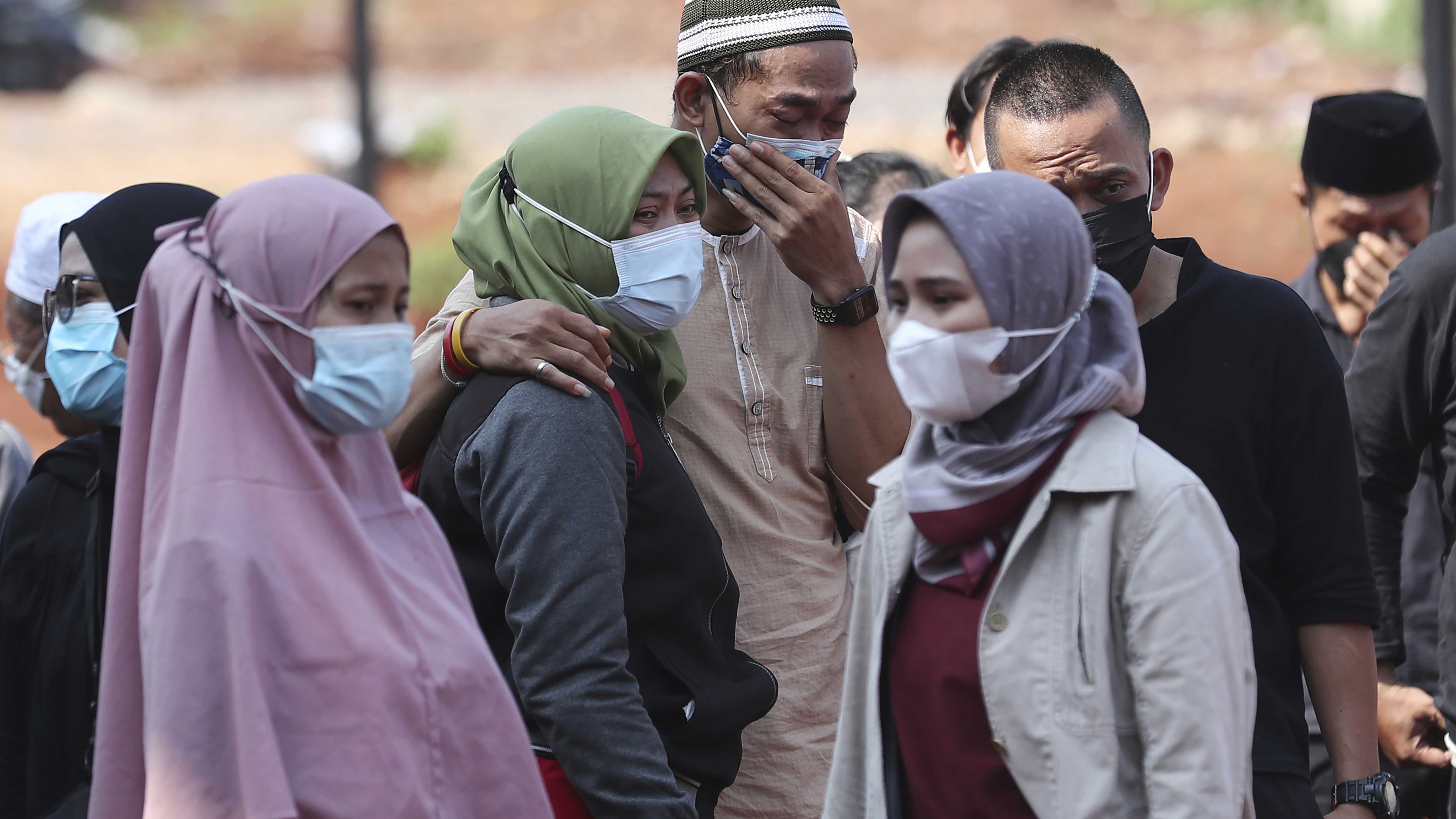
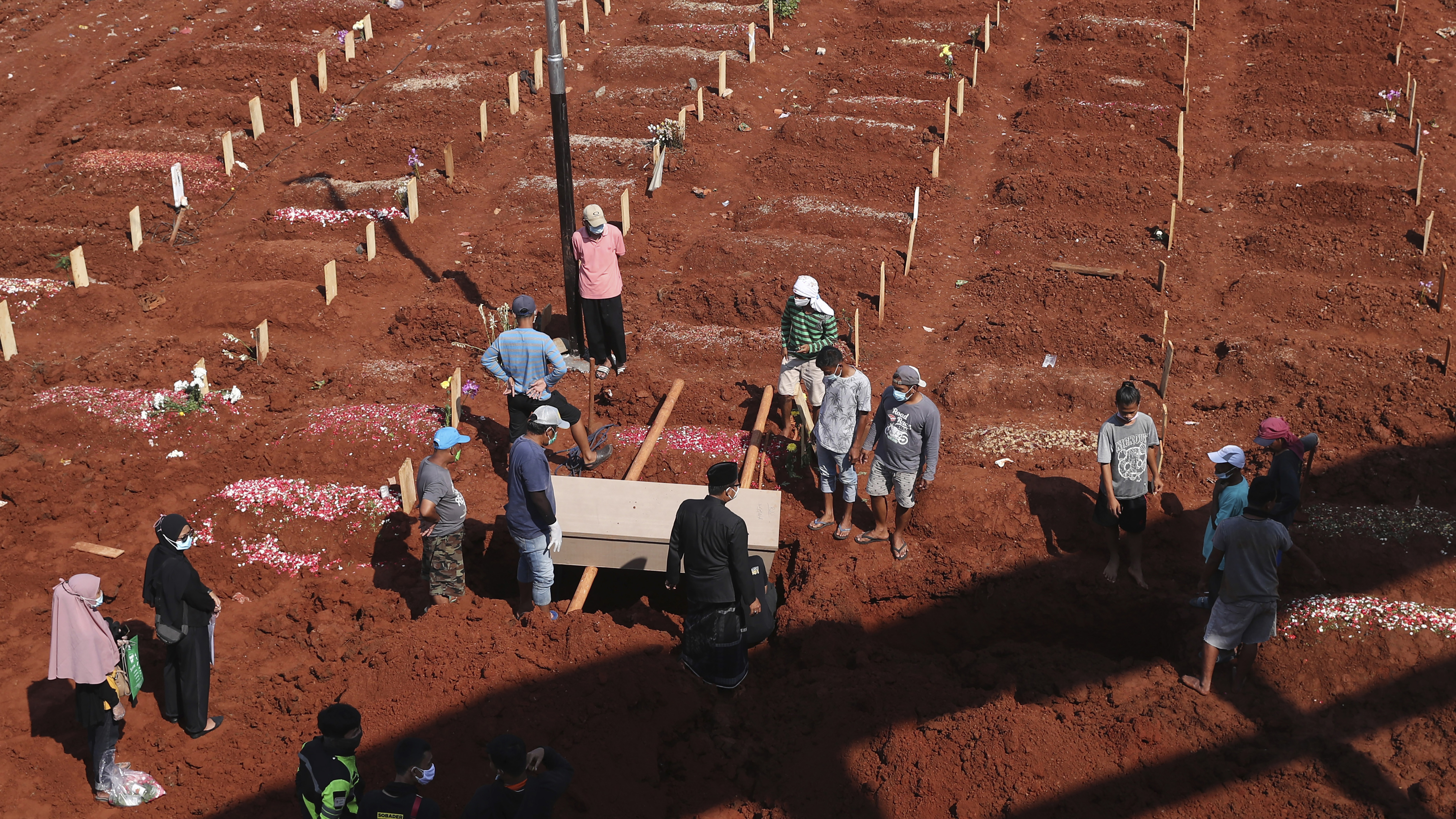
The country is suffering a health crisis, with hospitals stretched to their limits, full cemeteries expanded to hold the COVID-19 dead, and exhausted health care workers.
Experts say Indonesia is now reaping the costs of not implementing strict lockdowns nor investing enough in efficient contact-tracing systems.
On Monday, the government announced an extension of the highest Level 4 restrictions in several cities and areas, including the capital, and the islands of Java and Bali for another week.
Meanwhile, the country's health minister said the devastating wave had peaked in some areas, and authorities were aiming to start gradually reopening its economy in September, according to Reuters.
Malaysia
Despite a national lockdown, Malaysia has also seen an exponential rise in cases and deaths, with the outbreak forcing a month-long suspension of parliament.
Anger among the people is mounting.
Hundreds broke coronavirus restrictions to protest in the capital, Kuala Lumpur, over the weekend against the government's handling of the outbreak and called on Prime Minister Muhyiddin Yassin to resign.
Following the suspension of a special sitting of the legislature on Monday due to COVID, opposition lawmakers marched toward the parliament building also demanding Muhyiddin's resignation.
Frustration over the mounting deaths, vaccine rates and economic pain is exacerbated by Malaysia's current political crisis, in which Muhyiddin's government appears on the verge of collapse after taking control of the ruling coalition following elections last year.
Last week, thousands of overworked Malaysian doctors went on strike over conditions in hospitals, saying they have been pushed to the brink, as beds and ventilators run low.
The protest came as total COVID-19cases in Malaysia surpassed 1 million with the country reporting its highest number of daily infections.
Yesterday, Malaysia reported a new record number of cases, with 19,819 new infections, according to the health ministry, up from about 7,000 a month ago.
COVID-19 deaths are also at record levels, with 257 reported yesterday.
The outbreak has spread from COVID-19 clusters in the country's manufacturing and transport industries.
And while the outbreak forced the country back under a nationwide lockdown on May 12, large parts of the manufacturing sector were deemed essential, and employees kept working despite the rising danger, Reuters reported.
Malaysia's vaccine rates have improved in the past month, especially compared to its regional neighbours.
About 22.5 per cent of people in Malaysia are fully vaccinated against COVID-19, according to Our World in Data.
Thailand
Although it was the first country to report a COVID-19 case outside of China in January last year, Thailand kept its infection numbers low in 2020 thanks to successful containment measures.
This year, however, it is facing a much bigger challenge.
After containing a second wave that started last December, Thailand is struggling to curb a third wave of infections that has pushed daily caseloads and death tolls to unprecedented levels.
On Tuesday, Thailand reported record highs in both confirmed COVID-19 cases and deaths in single day, with 20,200 infections and 188 fatalities, according to the Center for COVID-19 Situation Administration (CCSA).
It was the first time Thailand has reported over 20,000 confirmed cases in a day.
Hospitals in the capital, Bangkok, have become overwhelmed by the surge in cases and demand for beds has greatly outstripped capacity.
Authorities are racing to lessen the burden on the health care system.
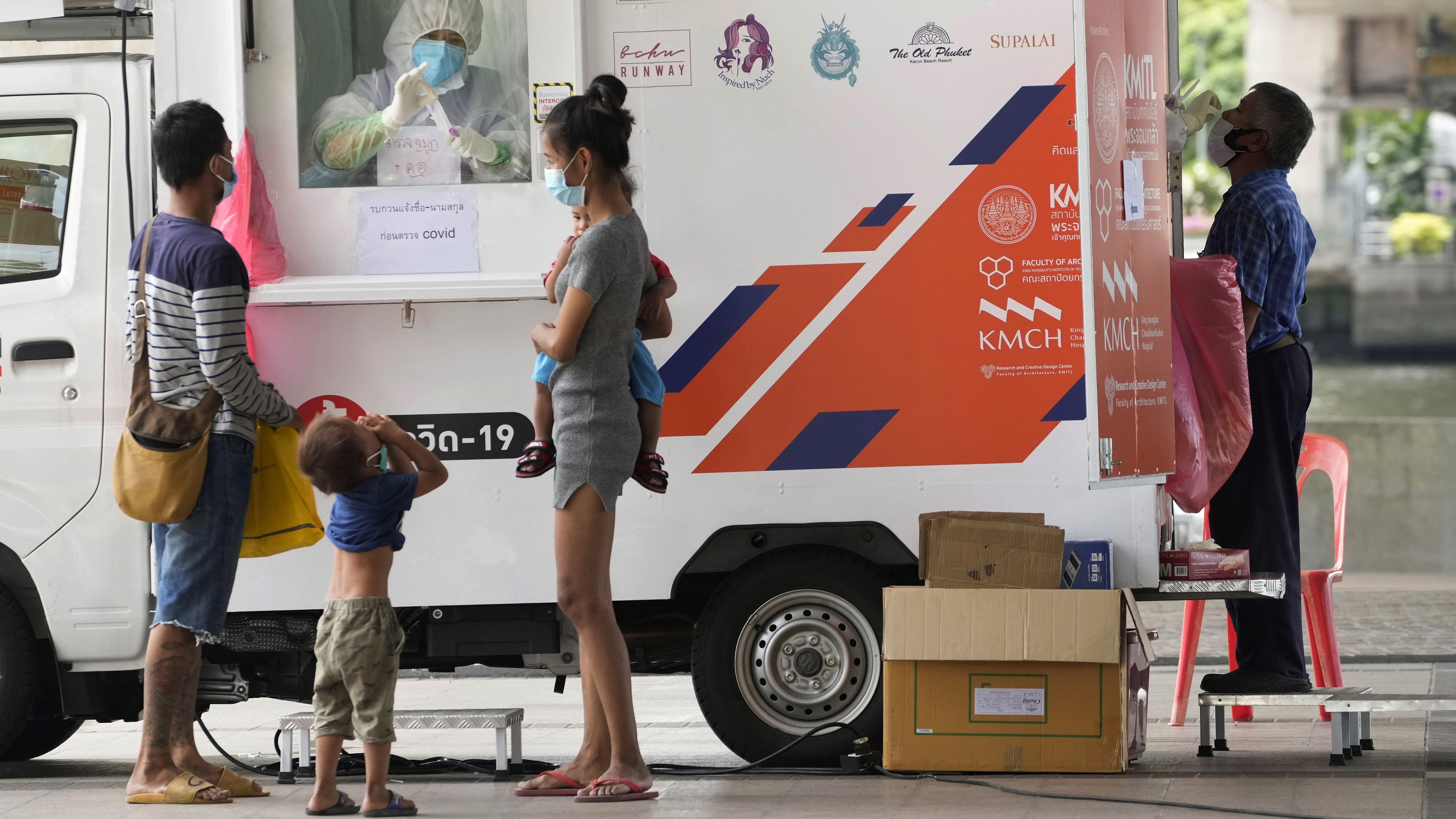
Bangkok is dispatching more than 400 doctors and nurses from provincial areas to the city's slums and densely populated areas to test and isolate 250,000 residents, said Dr Supat Hasuwannakit, president of the Rural Doctor Society.
"We may be unable to reduce the rate of infection just yet, but we hope to ease the bed situation in Bangkok and slow down the death rate," Dr Supat said.
On Tuesday, Thailand extended its national lockdown until the end of the month to slow the rising cases.
Now, 29 provinces have been placed under the strictest protocol, meaning 40 per cent of the country's population will be under lockdown, according to CNN's calculation of data from the CCSA.
A cargo warehouse at Bangkok's Don Muang Airport has been turned into a 1,800-bed field hospital for COVID-19 patients with less severe symptoms, and 15 passenger trains are being converted into a community isolation facility for COVID-19 patients waiting for hospital beds.
Prolonged economic pain and fears of rising COVID fatalities are taking a toll on Thai citizens.
There was public outcry after several bodies were found dead on the streets of Bangkok and left lying on the road for hours before an ambulance retrieved them.
And thousands of people joined anti-government protests across the country on Sunday, calling for the resignation of Prime Minister Prayut Chan-o-cha, whose government has been heavily criticised for its handling of the pandemic.
Thailand is aiming to vaccinate 50 million people by the end of the year. But according to data published by the CCSA, 23 per cent of the country's 70 million people have received at least one dose of COVID-19 vaccine, while 5 per cent are fully vaccinated.
Myanmar
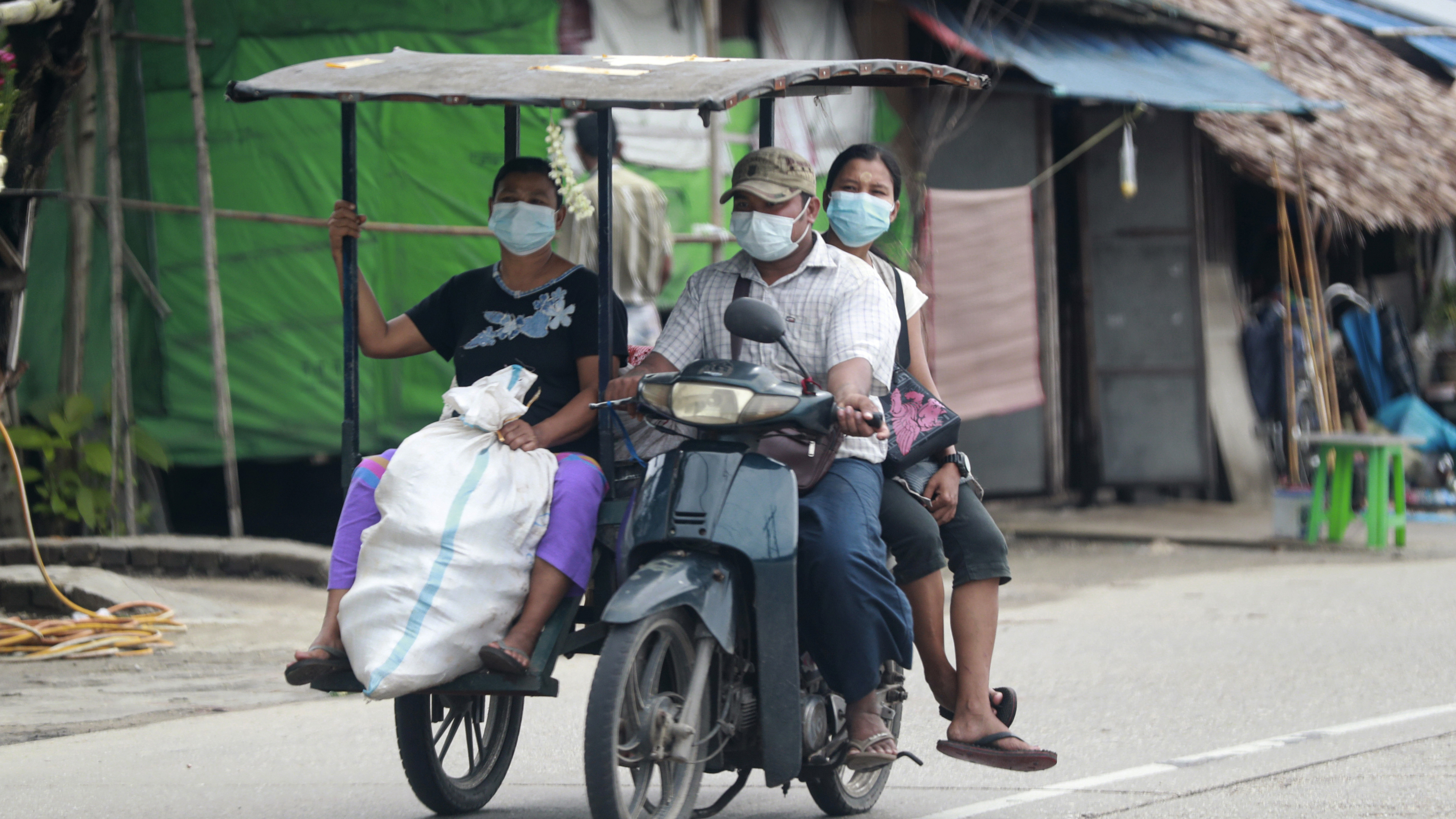
On Thailand's border, Myanmar is collapsing under the double crisis of pandemic and military coup.
There is a desperate oxygen shortage in the country, with families of the seriously ill queuing for oxygen or frantically searching online for COVID-19 treatments.
Residents are choosing to self-treat at home, doctors say.
If they do go to hospital, they are often turned away as the facilities are running out of oxygen, treatments and beds, and there's not enough staff to care for patients, they said.
The United Nations estimates only 40 per cent of the country's health care facilities are still able to function.
Reported daily cases in Myanmar have risen from about 100 in early June to about 5000 a day, with the total confirmed infections at 315,118, according to the World Health Organisation.
Myanmar has also reported 10,373 deaths.
But doctors and volunteer groups say those numbers are under-reported.
Vaccines have stalled under junta rule, and minimal testing, a lack of official data, and widespread public distrust of the military means no one has a clear idea of the extent of the crisis.
Last week, Britain's UN ambassador Barbara Woodward warned that half of Myanmar's 54 million people could be infected with COVID -19 in the next two weeks.
Adding to the trauma, those in the country say the military, which seized power in February, is wielding the COVID-19 crisis against the people and as infections and deaths climb, the junta is escalating its attacks on doctors and health care workers, many of whom went on strike to protest the coup and have been forced into hiding to evade arrest.
The UN has documented at least 260 attacks against medical personnel and facilities.
At least 67 health care workers are being held in detention, with more than 600 outstanding arrest warrants for doctors and nurses. There are now international calls for the UN to push for an emergency "COVID ceasefire" demanding the junta stop targeting health workers.
The military-controlled ministry of health is aiming to get 50 per cent of its population vaccinated this year, and planned to start COVID-19 vaccines in early August in the biggest city Yangon, according to state media.
But even if those doses are procured, residents say there is deep distrust in the regime to give them a lifesaving shot, when it continues to kill and detain its citizens.
Anyone who visited the site on Monday, August 2 between 9am and 10.30am must get tested and quarantine for 14 days from the time of exposure regardless of the result.
Poultry Palace in Laverton north is also a Tier One site on the same day between 10.30am and 11.20am.
Da Barber House at CS Square in Caroline Springs was also listed as a Tier One location earlier today.
Anyone who was there Friday, July 30 between 5.45pm and 7.45pm
Wolf Cafe & Eatery in Altona North is also a Tier One venue.
The exposure time is 9.30am 10.45am on Sunday, August 1.
Elite Sports Performance Gym in Spotswood has also become an at-risk site.
Anyone who visited on Tuesday, August 3 between 6.50am and 8.20am must get tested and isolate as per Tier One rules.
Other sites added today include Spectable Hub at CS Square in Caroline Springs on several days this week and Elm Road Family clinic in Altona North on Saturday, July 31.
Al-Taqwa College in Truganina where a teacher tested positive yesterday is listed as a Tier One exposure sites, with more than 2500 staff and students now in isolation for 14 days.
The main exposure period is Wednesday July 28, to Friday, July 30, between 8.30am and 5.00pm each day.
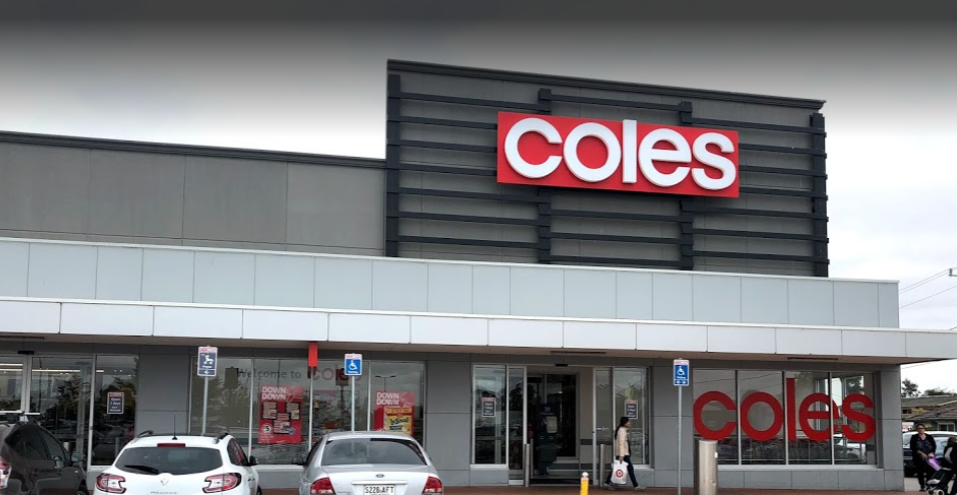
Coles in Yarraville between 4.30pm and 5.30pm on Thursday July 29 was deemed a Tier Two exposure site yesterday.
Another Tier Two location includes Shorten Reserve in West Footscray after one of today's positive cases played footy there on Saturday July 31.
Woolworths and a NAB branch in Caroline Springs are also Tier Two sites, as is an Altona North Pharmacy and a Newport Restaurant.
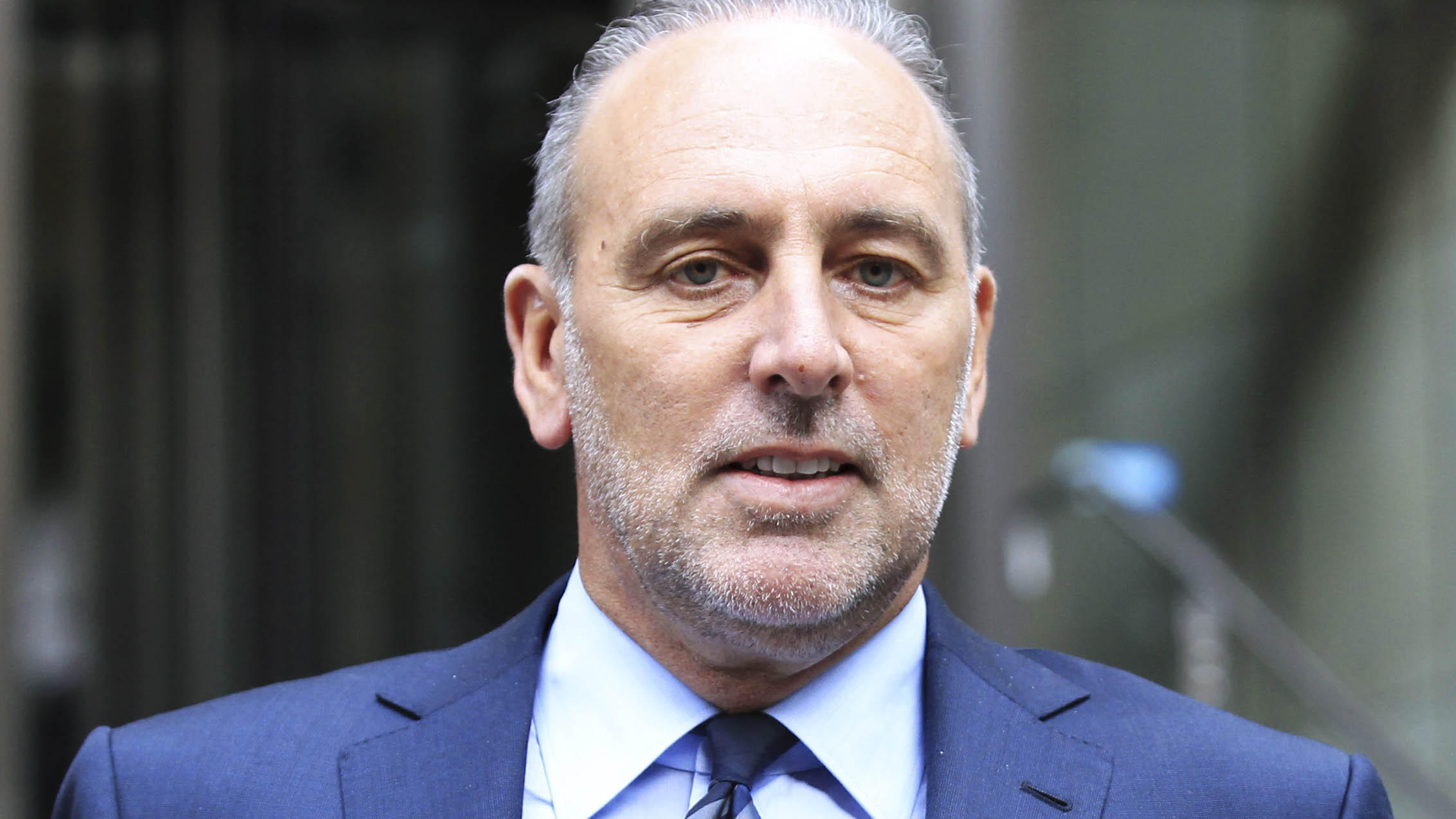
Evangelist and founder of the Hillsong Church, Brian Houston, has been charged with allegedly concealing child sex offences in the 1970s.
Mr Houston is accused of knowing about the sexual abuse of a young man in the 1970s but failing to tell police.
NSW Police said officers from The Hills in the city's north-west started an investigation in 2019 and have now charged a man.
"Police will allege in court the man knew information relating to the sexual abuse of a young male in the 1970s and failed to bring that information to the attention of police," NSW Police said in a statement.
"Following extensive investigations, detectives requested the Office of the Director of Public Prosecutions (ODPP) review their brief of evidence.
"Earlier this week, the ODPP provided advice to police, and following further inquiries, detectives served a Court Attendance Notice for conceal serious indictable offence on the man's legal representative about 2pm today."
He is expected to appear in Downing Centre Local Court on Tuesday, October 5, 2021.
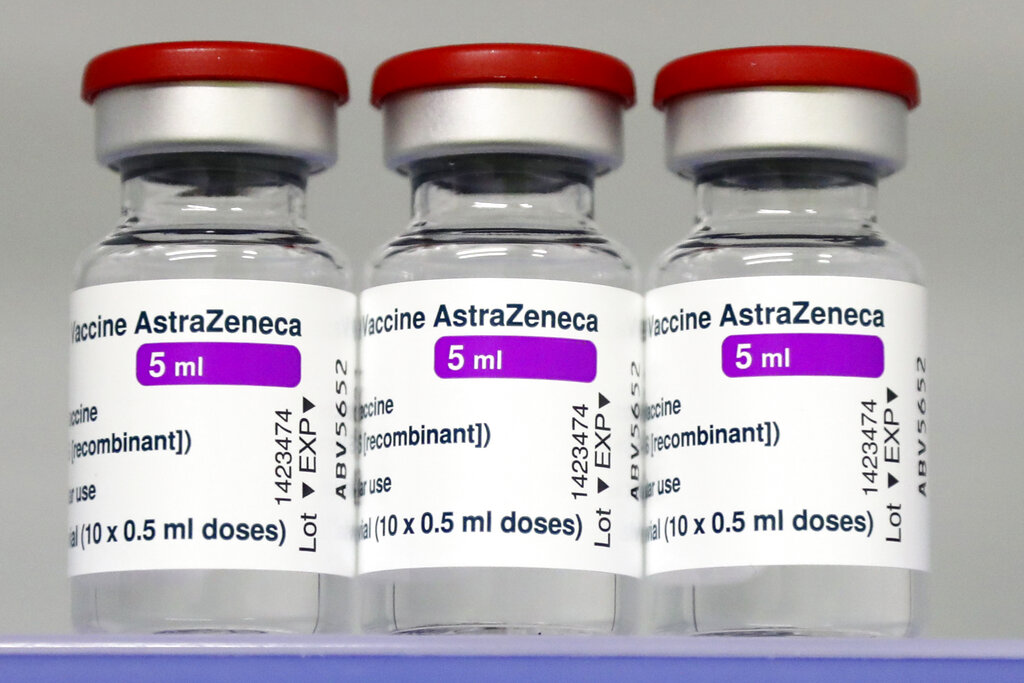
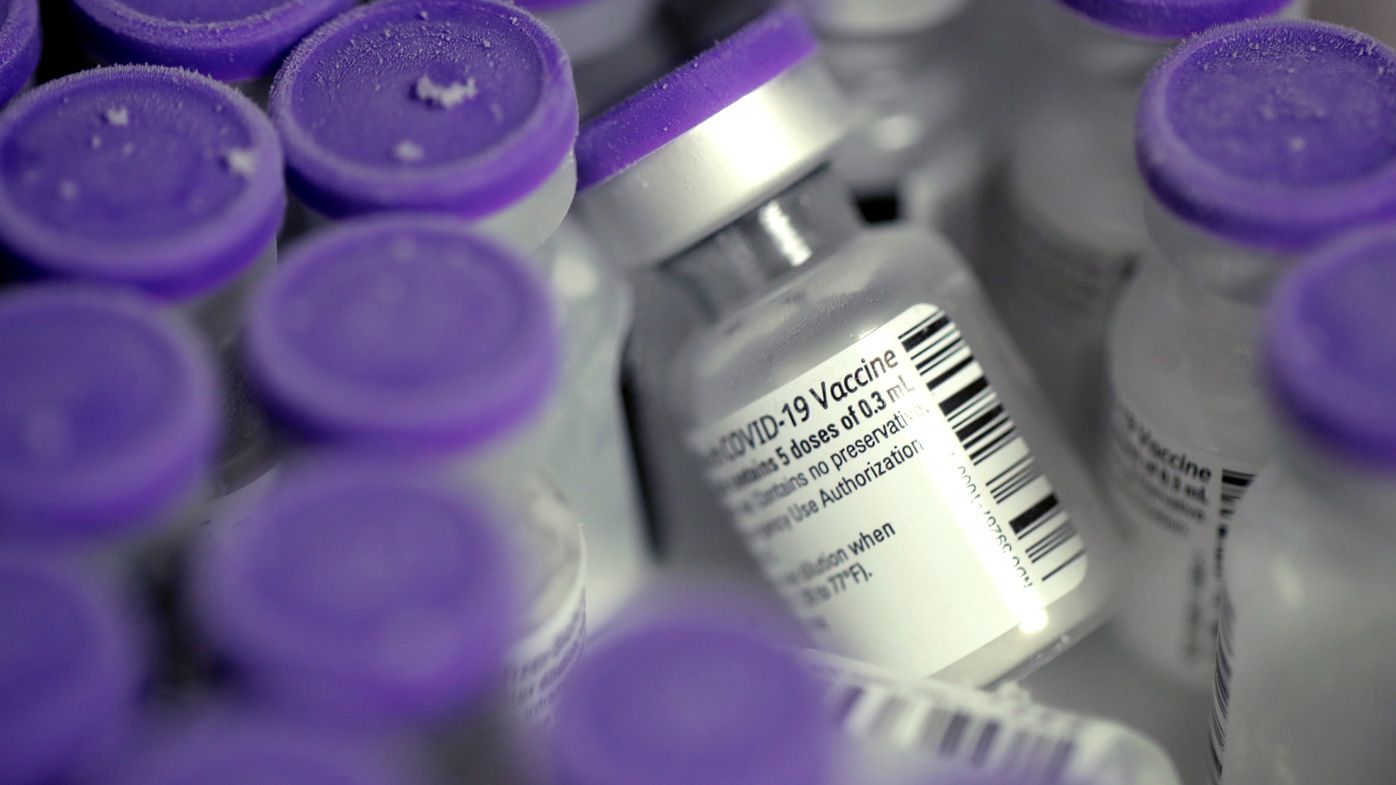
A 34-year-old NSW woman has died from a confirmed case of rare blood clotting following a first dose of the AstraZeneca vaccine.
The woman, who received the dose yesterday, was confirmed to have suffered thrombosis with thrombocytopenia syndrome or TTS.
She was named in the Therapeutic Goods Administration (TGA) COVID-19 weekly safety report released today, which said approximately 6.8 million doses of the AstraZeneca vaccine have been administered in Australia up until August 1 2021.
"Sadly, a 34-year-old woman from NSW died yesterday from confirmed TTS following a first dose of the AstraZeneca vaccine," the TGA states in its report.
"The TGA extends its sincerest condolences to her family and loved ones. We are in close communication with NSW health who are undertaking further investigation of this case."
The TGA said reports of suspected side effects to the vaccine are "generally consistent with what is being observed internationally".
Since the beginning of the vaccine rollout to August 1, the TGA has found seven reports of deaths were likely to be linked to immunisation from 425 reports received and reviewed.
Six of the deaths which occurred after the first dose of the AstraZeneca vaccine were confirmed to be TTS cases and one was a case of immune thrombocytopenia (ITP).
"The TGA reviews all deaths reported in people who have received the vaccination. We also monitor the database of reports for signals that may relate to vaccine safety to distinguish between coincidental events and possible side effects of the vaccine," the TGA stated in its report.
"So far, the observed number of deaths reported after vaccination remains less than the expected number of deaths that would occur naturally, or from other causes, for that proportion of the population."